 Printwear & Promotion The Total Promotional Package
PVC, nylon and Polyester have always been tricky materials to work with when it comes to heat transfers. Being more delicate materials, it takes the right method to get it right but when it’s done, it can make for excellent results; as Andy Rogers, marketing director at Stahls’ UK, explains.
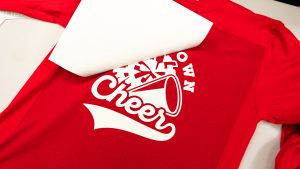
Customising bags, jackets, and workwear with heat transfers is quick and rewarding – but PVC, nylon, and polyester need special care. Too much heat or pressure can melt surfaces, leave marks, or ruin a perfectly good product. Follow these tips to get professional results every time – with no scorch marks.
How to apply transfers on PVC, nylon, and polyester
PVC is smooth and shiny but delicate. Nylon and polyester are slightly more forgiving but can still discolour with excess heat. Understanding these quirks is key to a flawless finish.
Keep it cool and protected. A thin Teflon or silicone sheet between the transfer and the material prevents scorching. Light pressure avoids indentations, and pre-testing on a scrap piece is essential. Even small seams can leave big marks if you’re not careful.
Tips to avoid melting and marking
- Protective layering: Always cover the transfer with a heat-resistant sheet.
- Lower temperatures: Start low and increase gradually if needed. For the lowest fuse temperature, water-based transfers are recommended.
- Short dwell times: Press only as long as necessary.
- Mind seams and edges: Thick seams can leave pressure marks; adjust placement or reduce pressure.
Step-by-step: Decorating a bag
- Prep the surface: Clean, flat, and wrinkle-free.
- Position the transfer: Use heat-resistant tape to hold it in place.
- Protect the material: Cover with a Teflon or silicone sheet.
- Adjust your press: Lower temperature for PVC.
- Press and peel carefully: Apply heat for the recommended dwell time, then lift the carrier sheet smoothly.
- Inspect and finish: Ensure full adhesion and smooth minor wrinkles gently.
Why the ARCH method works
This method reduces melting and uneven adhesion. Small steps during setup lead to a cleaner, more durable finish. 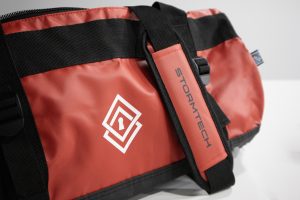
- Accurate pressure: Applying excessive pressure can damage fabric fibres and lead to scorching, regardless of material type. Many decorators mistakenly believe that higher pressure ensures better adhesion. However, most heat transfers perform optimally at medium pressure. It’s advisable to use a digital read-out to confirm pressure settings. For clam presses, a range of 4-6psi is recommended, while air-powered machines should maintain 40-60psi. Adjust pressure levels according to fabric type to prevent fibre breakage.
- Reduced temperature transfers: Heat-sensitive materials require careful temperature management. Standard synthetic blends may begin to scorch at temperatures between 130–160°C. Utilising transfers that fuse effectively at lower temperatures, such as 120°C, can help maintain garment integrity. Testing at lower temperatures ensures a balance between adhesion and fabric preservation.
- Cover sheets for protection: A cover sheet acts as a barrier between the heat platen and the fabric, reducing direct heat exposure and potential scorching. Begin with a standard heat-proof transfer release paper. If additional protection is needed, consider using a Grip Flex or Teflon-based cover sheet. Thicker sheets may retain heat and reduce upper platen effectiveness by 5–15°C, so it’s essential to monitor temperature settings and pressure adjustments accordingly.

- Heated lower platens: For decorators handling premium, heat-sensitive fabrics, heated lower platens offer an effective solution. Unlike traditional presses that apply heat from the top platen, lower-heated platens distribute heat from underneath. This approach reduces the need for high upper platen temperatures, minimising the risk of scorching. Setting the upper platen at approximately 110°C, while maintaining a lower platen temperature of 120°C or higher, ensures more even heat distribution.
Let the item cool before handling. Avoid over-pressing, but don’t be afraid to gently smooth minor wrinkles. With protective layers, proper pressure, and careful heat management, your transfers will look professional and last longer.
Bottom Line
Heat printing on PVC, nylon, and polyester is manageable with the right approach. Test your settings, protect the material, and follow a structured process. The result: clean, eye-catching designs that elevate any bag, jacket, or promotional product.