 Printwear & Promotion The Total Promotional Package
Artificial Intelligence is taking over almost every aspect of our lives, and it’s easy to see why. Who would pay for a graphic designer when ChatGPT could create something for free and, in a lot of cases, quicker? However, these artworks come with different problems that decorators need to overcome. Colin Sinclair McDermott, aka The Online Print Coach, explains how you could overcome these newfound issues and use them to create extra business.

AI-generated artwork is arriving in print shops at an increasing rate. Rather than treating it as another production headache, decorators can turn the problem into an opportunity to sell their expertise – and protect their margins.
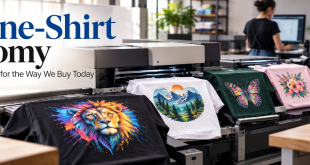
A customer walks into a garment decoration shop clutching a phone. They have just spent three hours using an AI image generator to create a hyper-realistic lion wearing a tracksuit and now want it printed on 50 hoodies by Friday.
On their brightly lit phone screen, the artwork looks fantastic. There is only one problem: The file they supply is a low-resolution web image with no transparency, unsuitable dimensions and none of the preparation required for production.
To the customer, the design work is finished. To the printer, it has barely started.
Welcome to one of the newest challenges facing garment decorators.
AI artwork isn’t necessarily print-ready artwork
Tools such as Midjourney, DALL-E and other generative AI platforms have made image creation accessible to almost anyone. Customers who previously might have arrived with a rough sketch can now produce something that looks remarkably polished.
However, looking good on screen and being ready for production are two very different things.
Depending on the intended decoration process, artwork may require resizing, cleaning, vectorising, colour adjustment, transparency work or other preparation before it can be printed successfully. That creates additional work for the decorator – and that work has value. The mistake is automatically absorbing it into the cost of the print job.
Imagine spending 30 or 40 minutes in Illustrator cleaning up an AI-generated image simply to secure a relatively small garment order. Do that several times each week and the business is giving away hours of skilled artwork and prepress time.
Artwork preparation should be treated as a professional service, rather than an unlimited free extra.
Set expectations before the file arrives
One of the easiest ways to avoid awkward conversations is to establish an AI artwork policy.
This could be incorporated into your website, artwork guidelines, quotation process or order confirmation. Explain that while AI platforms can create impressive imagery, the files they generate may not meet the technical requirements needed for professional garment decoration.
If artwork needs intervention from your design team before it can enter production, make customers aware that an artwork or file preparation charge may apply.
The important point is to communicate this before somebody has placed an order expecting their image to be printed exactly as supplied.
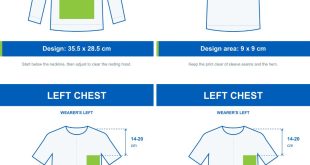
A simple artwork checklist can help too. Tell customers which file formats you prefer, minimum resolution requirements, required dimensions and whether transparent backgrounds, vector artwork or particular colour settings are needed.
Requirements will naturally vary between processes. Artwork suitable for DTG or DTF is not necessarily prepared in the same way as artwork destined for screen printing, embroidery or vinyl.
Clear guidance saves time at both ends.
Educate rather than reject. Most customers submitting AI-generated artwork are not deliberately supplying bad files. They simply do not know the difference. They are creators, not prepress technicians.
Instead of replying with “your artwork isn’t suitable”, explain why it isn’t suitable and offer a route forward. For example: “The image looks great, but the file isn’t currently at sufficient resolution for the size you want printed. We can prepare it for production for an additional artwork charge.”
That small change in language transforms a rejection into a service. It also reinforces the decorator’s expertise. The customer may have created the concept, but you understand how to translate that concept into a physical product.
Turn the technical gap into an upsell
This is where the AI artwork problem becomes commercially interesting. Consider offering an artwork review or preparation service as a clearly priced product. The initial review can identify resolution issues, unwanted backgrounds, incorrect sizing, colour problems or elements that will cause difficulties with the chosen decoration method.
The customer can then decide whether to provide replacement artwork or pay your team to prepare it correctly. You could even introduce tiers: a basic file check, standard artwork preparation and a more comprehensive design service.
Suddenly, the problematic AI file is no longer just an inconvenience. It is the starting point for an additional revenue stream.
More importantly, it moves the conversation away from simply comparing the price of a printed T shirt or hoodie. You are demonstrating knowledge, reducing production risk and helping the customer achieve a better finished result.
That expertise is much harder to commoditise. Have the confidence to charge. The difficult part for many decorators isn’t fixing the artwork. It is asking to be paid for fixing it. There can be a fear that adding an artwork charge will send the customer to the printer down the road. But that printer is increasingly likely to be receiving exactly the same problematic AI files.
The businesses that benefit will be those that establish a clear process, explain it professionally and price their expertise confidently. AI isn’t disappearing from the creative process. Customers will continue experimenting with it, and the images they produce will continue arriving in print shops. The opportunity is to build a workflow around that reality.
Establish an AI artwork policy. Publish clear file requirements. Train staff to explain the difference between an attractive image and production-ready artwork. Most importantly, stop automatically giving skilled prepress work away for free.
AI may have made creating the image easier. Making that image printable is still where the professional earns their money.