 Printwear & Promotion The Total Promotional Package
There is perhaps nothing more common and more frustrating than puckering when working with threads. But it’s not worth fussing over; rather, find the cause of the issue, as Natalie Greetham, marketing manager of Madeira UK explains.
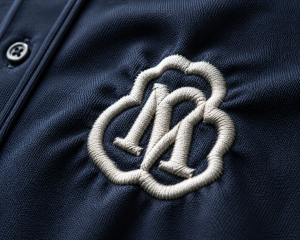
Puckering is one of the most common and frustrating challenges in machine embroidery. Whether you’re producing corporate apparel, workwear or promotional products, unwanted wrinkles and distortion around an embroidered design can compromise both appearance and durability.
The result is wasted garments, lost production time and dissatisfied customers.
Fortunately, puckering is usually preventable. By understanding its causes and making a few adjustments to your embroidery process, you can consistently achieve smooth, professional-quality results.
Consider design density
Not every embroidery design is suitable for every fabric. Dense stitch counts place greater stress on the material, increasing the likelihood of puckering. Working with your digitiser to optimise designs for the intended fabric will make a significant difference.
Selecting the right stabiliser

Correct stabilisation is the foundation of successful embroidery. The stabiliser supports the fabric during stitching, preventing movement and distortion. Choosing the wrong type or using one that is too lightweight can lead to puckering. Stretch fabrics such as sportswear, performance garments and knitted polos require a cut-away stabiliser rather than a tear-away. Cut-away backings provide the long-term support needed to help keep both fabric and backing securely in position throughout the embroidery process and beyond.
Perfect your hooping technique
Even the best stabiliser cannot compensate for poor hooping. Select a hoop only slightly larger than the design and ensure the fabric is evenly tensioned, sitting flat and taut like the surface of a drum. Fabric that is too loose can shift during stitching, resulting in distortion. For greater consistency and improved productivity, magnetic frames can provide even fabric tension while reducing hooping time, particularly on difficult or bulky garments.
Check thread tension regularly
Balanced thread tension is essential for clean, flat embroidery. Incorrect tension between the upper and bobbin threads can create uneven stitches that pull the fabric and contribute to puckering.
Thread type also plays a role. Polyester embroidery threads are extremely strong, but because they stretch slightly during stitching, they can contract once the garment is removed from the hoop, causing puckering and design distortion. Generally, heavier threads require slightly tighter upper tension settings, while faster machine speeds demand even more precise adjustment.
A simple tension test should form part of regular machine maintenance. Ideally, the underside of the embroidery should show approximately one-third bobbin thread and two-thirds top thread.
Match the needle to the job
Using the correct needle for both the fabric and thread helps minimise stress on the material and improves stitch quality. A 75/11 needle is the standard choice for most embroidery using 40-weight thread, while finer fabrics and lighter threads benefit from smaller needles.
Selecting the correct point style is equally important:
- Regular sharp (RG): Ideal for tightly woven fabrics such as cotton and silk.
- Light ballpoint (FFG/SES): Best suited to knits, fleece and polo shirts, where the rounded point separates fibres rather than piercing them.
- Medium ballpoint (SUK): Designed for looser, stretch-knit fabrics.
- Titanium-coated (GEBEDUR): Recommended for demanding applications including caps, leather and some metallic threads. The titanium coating helps reduce friction and wear, resulting in a longer-lasting needle.
Attention to detail delivers better results
Producing consistently smooth embroidery relies on attention to every stage of the process. By combining appropriate stabilisation, accurate hooping, balanced thread tension, correct needle selection and fabric-specific digitising, you can dramatically reduce puckering and produce embroidery that meets the high standards customers expect.