 Printwear & Promotion The Total Promotional Package

With the conclusion of Paris 2024 on August 11, Steve Mason, VP/GM of Embelex & Aftermarket, discusses the effective ways counterfeiters are being combatted against, and the importance of purchasing authentic merchandise.
The Paris 2024 Olympic and Paralympic Games showcased how sporting greatness can unite the world in admiration. Millions of fans celebrated the spirit of the Games by purchasing officially licensed Paris 2024 fan gear, proudly supporting their countries and favourite athletes. These items, from graphic T shirts to swimming trunks and hats, allow fans to display their patriotism and feel a part of this global event.
Olympics merch is big business. Rio 2016 licensed merchandise sales hit $15.5 million in Brazil alone, while 15 product lines of Tokyo 2020 merchandise sold out on the opening day of online sales. As much as these polo shirts, bags and towels symbolise national pride and unity, unfortunately they are also magnets for counterfeiters.
Counterfeit goods cost EU industries an estimated €16 billion in sales and nearly 200,000 jobs each year, according to the European Union Intellectual Property Office. Sporting apparel and merchandise licensed by major tournaments are an obvious target for the organised criminals behind producing fakes.
For instance, during the Rio 2016 Olympics, Brazilian police seized large quantities of fake branded products. And counterfeit Olympics merchandise on sale in Paris, in the run-up to the Games, prompted French police to carry out raids in a high-profile crackdown on street vendors.
The sale of counterfeit products saps revenue. It also erodes the trust of sports fans and collectors. So, what’s the best way to beat the counterfeiters who feed off major sporting events like the Olympics?
Technology to protect brands
National crime agencies are constantly battling to bring down organised criminals behind counterfeit luxury and sportswear apparel. Manufacturers and retailers are also investing in innovative technologies like smart labels to stamp out counterfeiting. Smart labels embedded with RFID (Radio-Frequency Identification) allow retailers to verify the authenticity of a product with a simple scan of a batch of products, or single items, using a handheld device.
Meanwhile QR codes printed on labels, or directly onto fabrics, link to a cloud product platform and can be scanned by consumers using their smartphones. These digitally-enabled labels open a customer-facing app or web page providing detailed information about the product’s origin, manufacturing process and authenticity.
Smart labels store comprehensive data about each item’s journey from production to sale, ensuring transparency and traceability. This technology is gaining traction across the apparel industry, with leading sportswear brands incorporating smart labels and logos to assure customers of product authenticity and ethical manufacturing practices.
Authenticity and sustainability
Generally, sportswear faces an uphill struggle to become more sustainable, with the issue raised in the media during Paris 2024. This is because performance-wear and fan-wear tends to be made from synthetic fabrics like polyester and nylon, which are not yet recyclable at scale.
But with legislation looming and consumers demanding change, sustainable fabrics will be more readily available come the next Olympics – Los Angeles 2028. Sports brands are innovating at pace to develop sustainably sourced and more durable textiles in a bid to cut the carbon footprint of these garments.
Smart labels have a role to play here, too. By providing transparent supply chain information, these technologies enable consumers to make informed choices about the products they purchase. For example, a consumer can verify if a jersey was made using sustainable materials or if ethical labour practices were followed during its production.
This transparency encourages brands to adhere to higher environmental and social standards, fostering a culture of accountability and sustainability within the industry. Moreover, by ensuring the authenticity of products, these technologies help reduce the demand for counterfeit goods, which often involve unsustainable and unethical practices.
Celebrating national pride with confidence
Supporters deserve to celebrate their national pride with confidence, knowing that their Olympic merch is genuine and ethically produced. Countries like the United States, with its iconic Team USA gear, or Japan with its distinctive styling, invest heavily in creating collections that symbolise their heritage and aspirations. Protecting these symbols through advanced technologies is key to preserving their value.
As Paris 2024 confirmed, authentic, Olympic-branded clothing plays a crucial role in enhancing the spectator experience. Wearing genuine merchandise allows fans to feel more connected to the event, celebrating their support with pride.
As organisers begin the mammoth task of planning for ‘LA28,’ the hope is that a more trustworthy marketplace can evolve to support the next Games. The fight against counterfeit Olympics merchandise is crucial not only for protecting the integrity of the brand but also for ensuring that fans receive genuine, high-quality products.
By embracing advanced technologies such as scannable smart labels and blockchain verification, we can create a secure and reliable system for authentic merchandise. This will allow sports fans to focus on the thrill of the competition with peace of mind, knowing that their purchases are legitimate and that they are truly part of the Olympic spirit.
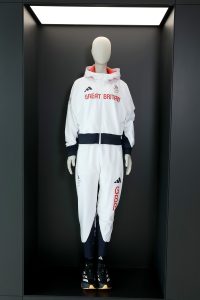
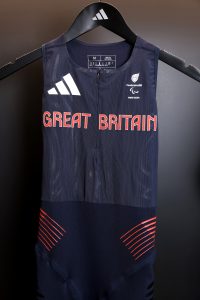
The design of Team GB
According to Team GB, the typeface across the front of the collection takes inspiration from that worn by athletes in 1924, celebrating 100 years of British sporting heritage. Additionally, within the typeface, horizontal and vertical lines are used to convey the undulating movement of fire, with a glowing outline making the text pop as athletes take to the field of competition.
“Alongside the goal of supporting the athlete to perform at their best when the pressure builds, these collections seek to connect them to their home nations, via designs inspired by their individual national identities.” – Jacqueline King, design director, specialist sports, adidas