 Printwear & Promotion The Total Promotional Package

The versatility of dye sublimation makes it the perfect choice for the production of a wide range of applications. Tom Owers, pro graphics product manager, Epson (UK), reports.
The process is quick, simple, and affordable – particularly when producing a small number of items. It creates long lasting, vibrant prints with an image that does not wash or peel off and is slow to fade. It is flexible, too, and any required changes can be made instantly with a simple modification of the artwork.
Sublimation printing only works on polyester-based fabrics or polymer coated substrates, making it the perfect printing technique for on demand, personalised goods and any polyester-based sports clothing that require a soft print finish. One of the most popular applications for dye sublimation is athletic wear including running tops and team kits, as well as a variety of other products such as mouse pads, floor mats, coasters, flipflops, event wristbands, bathing suits, and home furnishings.
The technology is not suited to cotton or other natural fabrics because the ink passes straight through natural textiles rather than bonding as it does with synthetic materials.
Where it begins
The dye sublimation process begins with artwork that is printed in full colour onto transfer paper using dye sublimation ink and paper. The ink is then transferred from the paper to the fabric using heat and pressure.
It works best with white, 100% polyester and as such is suited to sportswear and fashion. An additional application, ideal for the photo gifting market, is sublimating to polymer-coated rigid substrates such as mobile phone covers, ceramic mugs, or special metal sheets.
Dye sublimation is a two-step process that that uses dye sublimation inks. The image is mirrored in driver or RIP software (so it faces correct way when transferred) before being printed on sublimation transfer paper. The process is then completed by bringing the printed design together with the chosen substrate and applying heat and pressure, via a heat press or calendar. Timings, pressure and temperature will all vary depending on what you are sublimating to.
What to watch out for:
- Potential white crease marks in the print. Due to the printing process for dye sublimation, the print can leave white marks and imperfections where there are creases. These white marks are commonly found around the armpit area.
- Ensure a smooth installation by identifying the right place and working area for the printer.
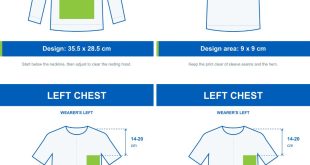
- Know the maximum print size of your print applications.
- Consider the frequency of use to help choose the most suitable solution.
Essential to this process is the dye sublimation ink and paper which allow for efficient release and transfer of ink to substrate during the sublimation process. As the ink penetrates into fabric or polymer coating (rather than sitting on the surface) the results are vibrant, scratch resistant and highly durable, with a natural feel. High quality image selection, creative artwork layout and using the correct print settings will also ensure consistent results, but the best way to learn is to get stuck in, experiment, and find out what works best for your business and target customers.
The dye sublimation market has expanded to deliver greater choice and the cost of the equipment has been dramatically reduced. The technology has also improved, making the sublimation process easier to ensure the delivery of high quality printed results. This powerful combination means the time has never been better to add this affordable process to your portfolio of services.