 Printwear & Promotion The Total Promotional Package
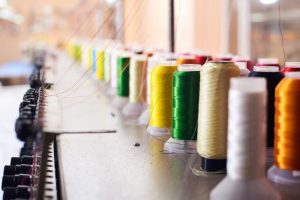 Liz Woodhouse, embroidery trainer at the Embroidery Academy explains why adding custom embroidery can significantly increase a product’s value.
The personalised gifts market has witnessed robust growth and as the market continues to grow, incorporating embroidery onto products can enhance their uniqueness and appeal. Embroidered designs tend to be more durable than printed ones, enhancing the overall longevity of the product, making the items appear more luxurious and high-quality which consumers often equate with higher value.
There are numerous ways you can use embroidery to personalise and customise products here are a few examples.
- Clothing: Embroidering initials or monograms on shirts, jackets, hats, and scarves can make these items uniquely personal.
- Accessories: Items like handbags, wallets, and belts can be personalised with embroidered initials.
- Weddings: Embroidery can be used to personalise wedding accessories like handkerchiefs, bridal robes, and table runners with the couple’s names and wedding date.
- Baby items: Baby blankets, bibs, and clothing can be embroidered with the baby’s name and birthdate.
- Pet accessories: Pet collars, blankets, and beds can be personalised with the pet’s name.
- Table linens: Tablecloths, napkins, and placemats with family crests or names for special custom embroidery has a significant impact on consumer perception occasions.
- Team apparel: Sports teams and clubs can have custom designs or team names embroidered on their sport shirts and gear.
People appreciate personalised gifts for several reasons, which can be broadly categorised into emotional, psychological, and social factors:
Emotional significance
Thoughtfulness: Personalised gifts demonstrate that the giver has put thought and effort into choosing something unique and meaningful. This thoughtfulness makes the recipient feel special and valued.
Emotional connection: Personalisation often ties the gift to a specific memory or shared experience, deepening the emotional connection between the giver and the recipient.
Uniqueness and exclusivity
One-of-a-kind: Personalised gifts are often unique, which makes them stand out compared to generic items. This uniqueness can make the recipient feel special.
Tailored to preferences: When a gift is personalised to fit the recipient’s preferences, it shows that the giver knows and understands them well, enhancing the gift’s significance.
Memorability
Keepsake value: Personalised gifts often become cherished keepsakes. They tend to be remembered and treasured for longer because they have personal significance and are tied to specific memories.
Lasting impression: The uniqueness and thoughtfulness of a personalised gift can leave a lasting impression on the recipient, making the occasion more memorable.
Symbolic meaning
Representation of relationship: A personalised gift can symbolise the unique relationship between the giver and the recipient, highlighting shared history, experiences, and sentiments.
Expression of care: By customising a gift, the giver expresses a higher level of care and consideration, which can strengthen the bond between them and the recipient.
Increased utility and relevance
Practical use: Personalised gifts can be more practical and relevant to the recipient’s needs and preferences, increasing their utility and appreciation.
Meaningful application: A personalised gift is often tailored to the recipient’s interests, hobbies, or lifestyle, making it more meaningful and useful in their daily life.
Enhanced emotional response
Joy and surprise: Receiving a personalised gift can evoke a strong emotional response, including joy, surprise, and gratitude. This emotional reaction enhances the overall experience of receiving the gift.
Sense of belonging: Personalised gifts can create a sense of belonging and recognition, as they often reflect the recipient’s identity and personal story.
Demonstration of effort and time
Custom creation: The process of creating a personalised gift usually involves more effort and time than purchasing a generic item. This effort is appreciated by recipients, who recognise and value the time invested by the giver.
Attention to detail: Personalisation requires attention to detail, which signifies that the giver cares about the recipient’s specific likes and interests.
Overall, personalised gifts are valued because they convey a deep level of thought, care, and emotional connection, making them more meaningful and memorable than generic presents.